
Route & Connectivity: Week 42, 2026
The route trail highlights AFRICA’s expanding air connectivity through new services, increased frequencies and prospective market entries. Jubba Airways resumed flights to Hargeisa, SOMALILAND, while Air Algérie launched five routes from Algiers to destinations across AFRICA and CHINA. Wings introduced scheduled cargo services to BELGIUM and FRANCE, supporting Tunisian industrial exporters, while TAAG Angola Airlines plans to connect Luanda with Dakar and Praia. EgyptAir and Brussels Airlines are expanding links to Cairo. Other developments include proposed routes involving BOSNIA AND HERZEGOVINA, SOUTH SUDAN and LIBERIA, seasonal capacity increases by Emirates, and security-related suspensions affecting Israeli carriers’ planned services to MOROCCO.
Airline Fleet trails: Week 42, 2026
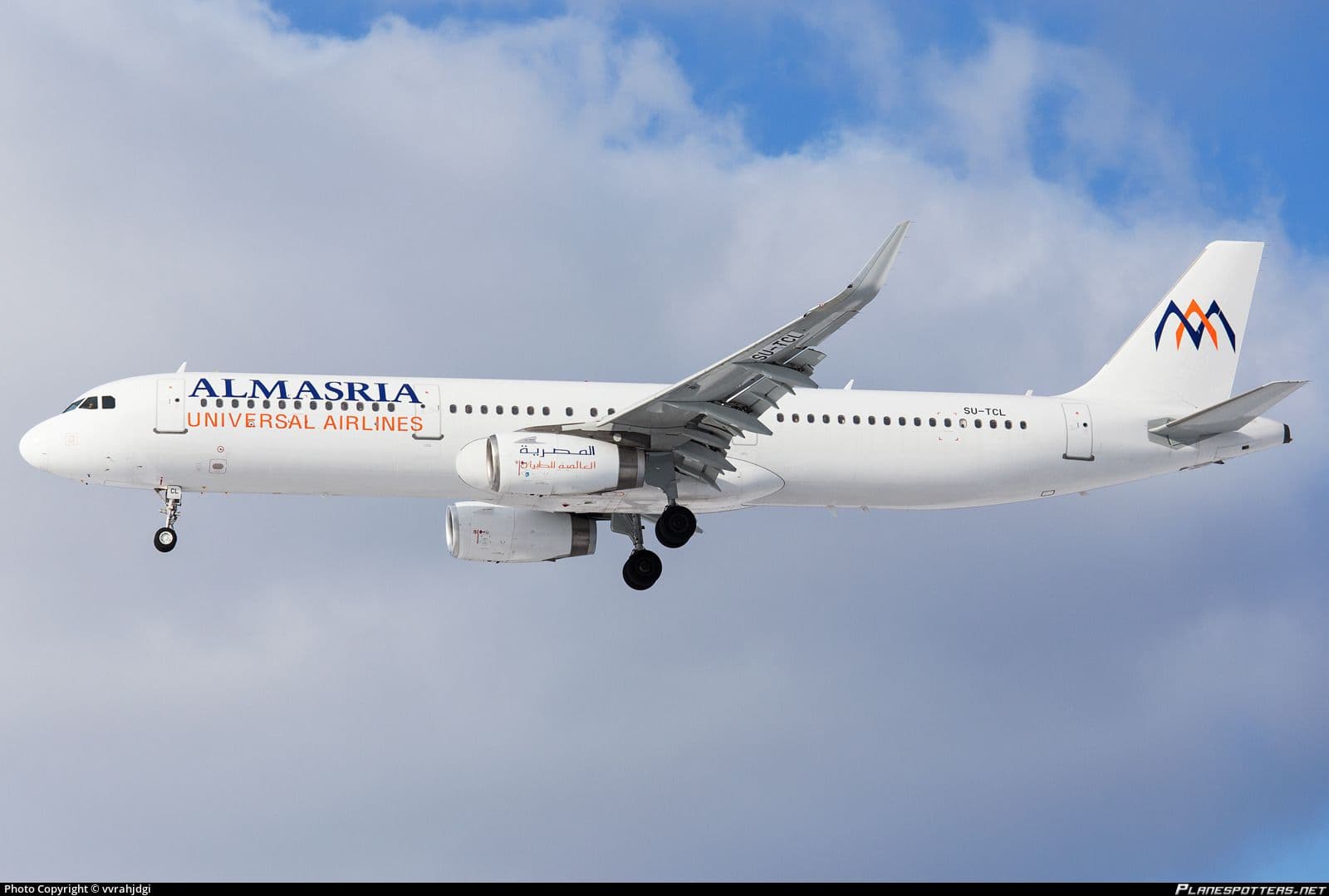
The fleet partnership and deployment trail highlights aircraft acquisitions, fleet modernisation and enhanced connectivity across AFRICA. AlMasria Universal Airlines and Royal Air Maroc received an Airbus A321-231(WL) and an Embraer ERJ-190AR, respectively, while TANZANIA-based Sindbard Air added an Embraer EMB-120ER freighter to support cargo operations. NIGERIA’s Air Peace is preparing to introduce the Boeing 737-900ER, potentially becoming the first African operator of the variant. Meanwhile, Emirates will deploy its Airbus A350 on one daily MAURITIUS service from November 2026, and KENYA received modernised MD500 military helicopters through trilateral cooperation with the REPUBLIC OF KOREA and the UNITED STATES.

Infrastructure & Finance Trails: Week 42, 2026
AeroTrail’s latest industry trail highlights investment, financial resilience and infrastructure modernisation across AFRICA. MOROCCO is advancing airport digitalisation through automated baggage-drop systems and plans a US$239 million sustainable aviation fuel facility at Nador West Med. ESWATINI is seeking investors for a proposed airport-based Special Economic Zone, while Air Cairo has allocated US$100,000 to support air traffic controller training. In KENYA, the Kenya Airports Authority is reviewing commercial rates to boost non-aeronautical revenue. Meanwhile, SOUTH AFRICA’s South African Airways has secured a government guarantee, and NIGERIA’s United Nigeria Airlines is pursuing commercial paper financing to support expansion.

Aviation Agreements Trails: Week 42, 2026
AeroTrail’s partnership trail highlights initiatives strengthening aviation safety, connectivity, skills development and commercial cooperation across AFRICA. SOMALIA partnered with IATA to recognise international operational and ground-handling safety audit standards, while Air Côte d’Ivoire and Air France introduced reciprocal codesharing between Paris and Abidjan. KENYA and the UNITED KINGDOM agreed to recognise aviation security measures to streamline baggage transfers. EGYPT and SLOVENIA are advancing air transport negotiations, while Africa CDC and Ethiopian Airlines are supporting participation in a continental public health conference. Other developments include GABON’s aviation security system and GHANA’s crew-training partnership involving PassionAir.

Accidents & Incidents Trails: Week 42, 2026
AeroTrail’s accident trail highlights aviation safety concerns across AFRICA. In SOUTH AFRICA, a Cessna 175A Skylark operated by the Cape Town Flying Club sustained substantial damage during an emergency field landing at Melkbosstrand following engine failure, although both occupants escaped unharmed. In SUDAN, drone attacks near Khartoum International Airport raised security concerns and reportedly disrupted flights, prompting recommendations for an independent safety risk assessment before commercial services continue. Meanwhile, NIGERIA’s aviation experts are calling for stronger oversight of private and business aviation following several incidents, warning that regulatory gaps could increase accident risks and undermine confidence in the country’s aviation sector.
Regulatory trails: Week 42, 2026
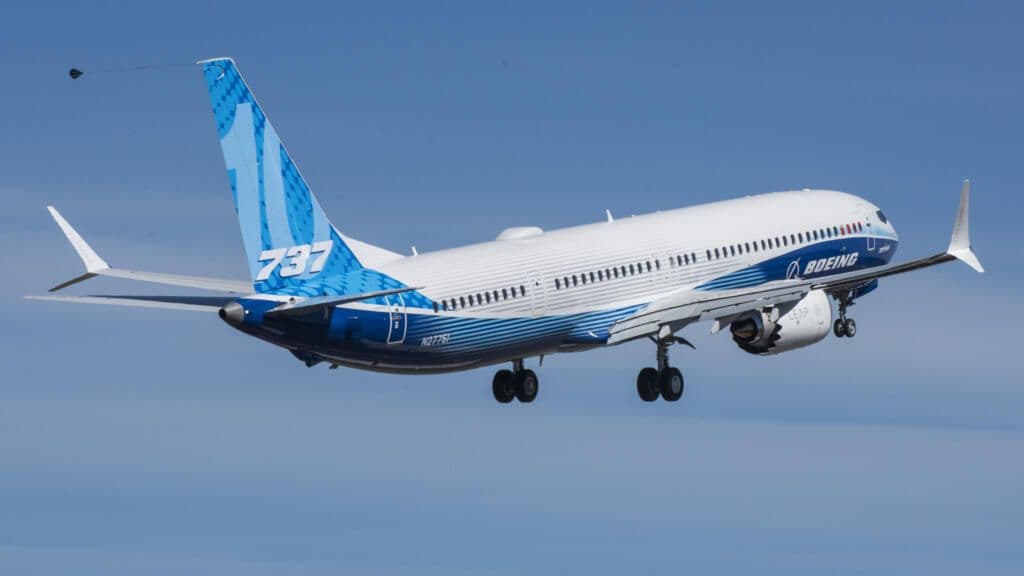
AeroTrail’s regulatory trail highlights key developments shaping aviation safety, oversight and connectivity. Boeing received FAA certification for the 737-10 MAX, completing certification of the four principal variants and paving the way for deliveries from 2027. The US CDC introduced Ebola-related travel declarations and restrictions affecting passengers with recent travel to the DEMOCRATIC REPUBLIC OF THE CONGO, SOUTH SUDAN and UGANDA. TANZANIA will reinstate stricter code-sharing and wet-leasing rules from November amid continuing EU safety concerns. Meanwhile, CASSOA convened regional regulators in SOUTH SUDAN to strengthen aviation safety oversight, harmonisation and regulatory cooperation across East Africa.

Other aviation trails: Week 42, 2026
Other trails across the African Continent

Route & Connectivity: Week 41, 2026
The AFRICA route network continues to expand and adjust, with new international connections, seasonal capacity increases and operational suspensions shaping connectivity. China Southern Airlines has launched a twice-weekly CHINA–ETHIOPIA service via Changsha, strengthening trade and tourism links, while Finnair resumes seasonal flights between Helsinki and Agadir. In NIGERIA, XEJet has introduced scheduled flights to Gusau, improving access to Zamfara State. Meanwhile, Jet2 expands winter capacity to TUNISIA, Royal Air Maroc prepares a new domestic route to Essaouira, and Israir suspends planned ISRAEL–MOROCCO expansion amid heightened aviation security requirements.
Airline Fleet trails: Week 41, 2026
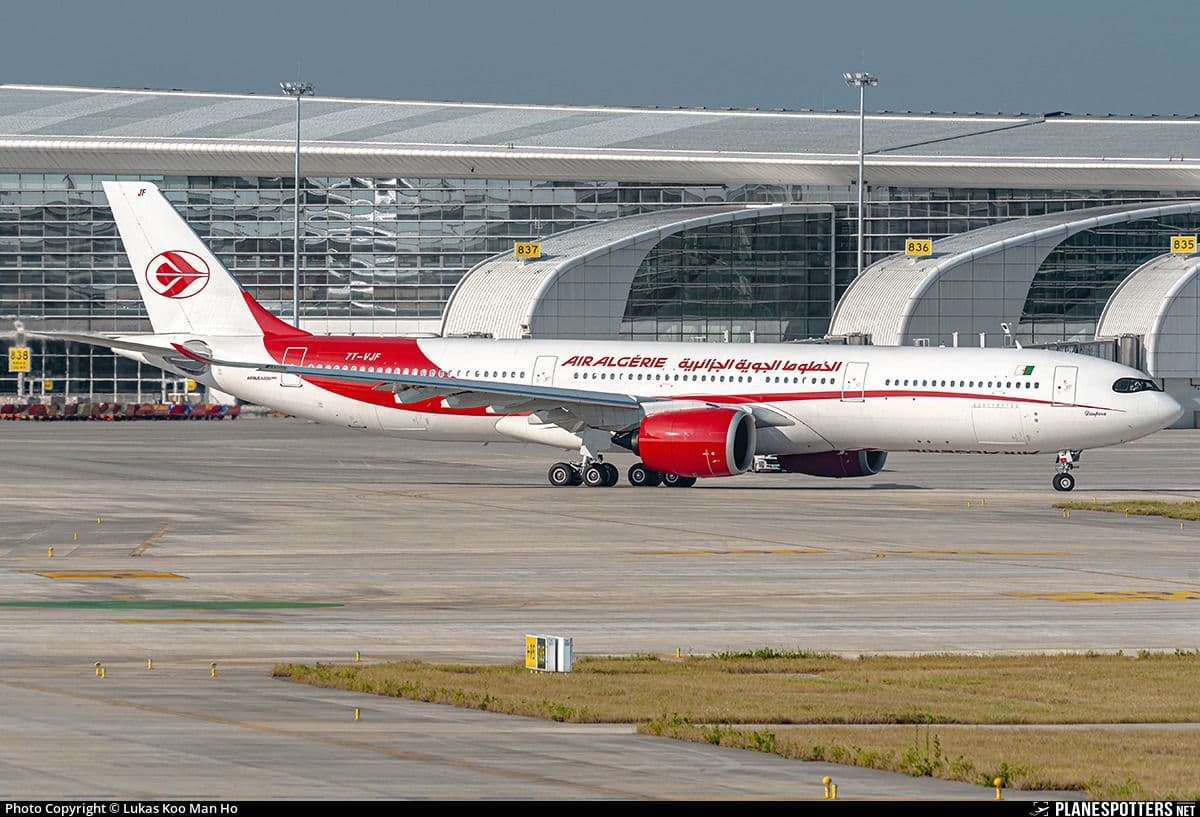
The AFRICA aviation fleet market continues to evolve through new aircraft deliveries, fleet renewals and specialised acquisitions. Air Algérie and KLM Royal Dutch Airlines are strengthening long-haul capabilities through new Airbus A330neo deliveries and planned A350-900 deployments, while CVsky, Penial Air and Auric Air expand regional and domestic operations with turboprop and jet additions. Meanwhile, KayaAirlines’ acquisition of a Boeing 737-500 raises questions about its operational status, while Tassili Travail Aérien introduces specialised medevac aircraft and the ICRC expands humanitarian air transport capacity through a leased ATR 72-500.