AFRICAN aviation ministers have adopted the Lomé Declaration and Implementation Matrix to accelerate the Single African Air Transport Market (SAATM) and the broader Yamoussoukro Decision, signalling renewed political and operational commitment to a unified “Single African Sky.” The agreement, reached during the African Air Transport Convention and Expo 2026 in Lomé, TOGO, focuses on removing market access barriers, liberalising air services, and improving regulatory predictability to make AFRICAN air travel more accessible, affordable, and connected. Key outcomes include a new AFCAC Solidarity Commitment (2026–2028) to mobilise funding and technical support for implementation, as well as a harmonised continental framework to reduce excessive aviation taxes, fees, and charges. Ministers also prioritised investment in climate-resilient infrastructure, air cargo corridors aligned with AfCFTA trade flows, sustainable aviation fuels, and human capital development, including greater inclusion of women and youth. With 35 countries already participating in SAATM, the initiative is positioned as a major step toward unlocking jobs, boosting GDP, and strengthening intra-AFRICAN connectivity.
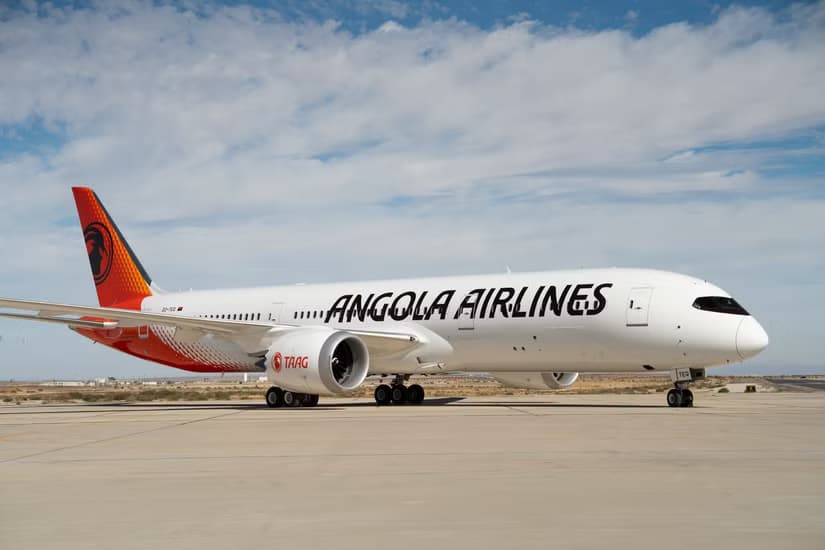
TAAG Angola Airlines has received approval from the European Union Aviation Safety Agency (EASA) to operate its Boeing 787-9 Dreamliner on flights into EUROPE, marking a key regulatory milestone for the carrier’s long-haul fleet expansion. The authorization will initially allow the 787-9 to be deployed on TAAG’s flagship Luanda–Lisbon route, which is currently operated twice daily using Boeing 777-300ER aircraft, reinforcing the airline’s most important European connection. TAAG, which received its first 787-9 in February 2025 and now operates a mixed fleet of 787-9 and 787-10 aircraft acquired through sale-and-leaseback agreements, views the approval as validation of its compliance and operational standards. The airline’s Dreamliners, sourced from previously unfulfilled orders by other carriers, feature varied cabin configurations across business, premium economy, and economy classes, with seating capacities ranging from approximately 313 to 367 passengers depending on the variant. Beyond EUROPE, TAAG is also expanding its 787 deployment across long-haul markets including BRAZIL and CHINA, with future ambitions to enter the UNITED STATES market, although regulatory approvals for such expansion remain pending.
Air Peace has received regulatory approval from BRAZIL’S National Civil Aviation Agency (ANAC) to operate scheduled passenger, cargo, and mail services between BRAZIL and destinations within its network, marking a major milestone in the airline’s international expansion strategy. The approval, issued under ANAC Ordinance No. 19.449/2026, paves the way for potential direct NIGERIA–BRAZIL flights, which are expected to significantly reduce current multi-stop journey times of up to two days to approximately seven hours, thereby improving connectivity, trade, tourism, and cultural exchange between both countries. The airline stated that the development strengthens its ambition to become a global carrier and complements its broader international growth plans, including applications for operations into CANADA and the UNITED STATES (Toronto and New York), planned services to Manchester in the UNITED KINGDOM, and resumed or expanded routes to destinations in SAUDI ARABIA and CHINA. Air Peace also highlighted its ongoing network expansion across AFRICA and beyond, including new West and Central AFRICAN routes set to commence in August 2026, positioning the carrier as a key player in NIGERIA’S long-haul aviation development strategy.
ESWATINI has made a significant policy and institutional advancement in its aviation sector following the unanimous approval by the Senate of the Civil Aviation (Approved Training Organisations) Regulations, 2024. Adopted during a Senate sitting on 16 June 2026, the regulations are designed to strengthen aviation safety, align training standards with International Civil Aviation Organization (ICAO) requirements, and enhance skills development within the country’s aviation industry. A key outcome of the reform is the planned establishment of ESWATINI’S first dedicated air traffic training school, which will provide local training for air traffic controllers and aviation professionals who have historically been trained abroad. The initiative is expected to reduce training costs, build domestic technical capacity, and improve access to aviation careers for young emaSwati. Lawmakers emphasized that the regulations introduce strict oversight mechanisms, including mandatory Safety Management Systems for training institutions, to ensure compliance with international best practices and strengthen overall operational safety.
The Uganda Civil Aviation Authority is reviewing six new applications for scheduled passenger air service licences as part of a broader set of 14 licence requests covering both new entrants and renewals in domestic and international aviation operations. The applications include proposals from airlines such as MiskAir, Premier Airlines, Ubuntu Air, Asante Aviation, Air Serv (Uganda), and Arasus Aviation, alongside renewals from established operators like Eagle Air, Transafrik Uganda, and Aim Air. The requests span scheduled and non-scheduled passenger services, cargo operations, private aviation, and aerial work, reflecting growing interest in UGANDA’S aviation market. While decisions are yet to be announced, the surge in applications signals increasing investor confidence and anticipated demand growth in air transport and logistics services across the country.
...
Go Premium
Unlock this trail with a 24-hour Regulations/AOCs pass, or subscribe for full access.
Subscribe to unlock full access to all premium content, including in-depth articles and weekly aviation industry insights.
- ✓Full access to all articles and weekly trails
- ✓Exclusive data analytics dashboards
- ✓Early access to new content
- ✓Priority support