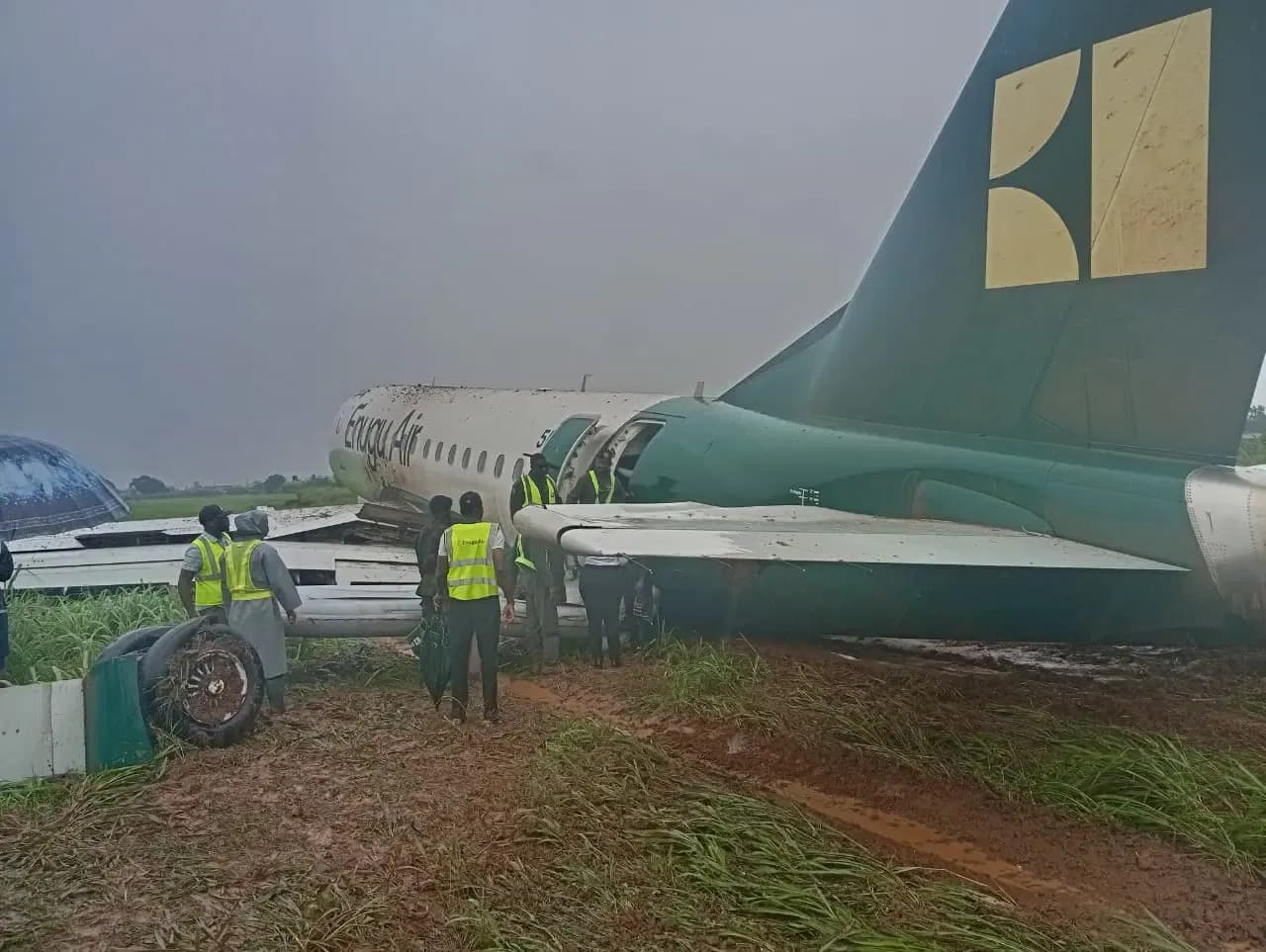
Accidents & Incidents Trails: Week 29, 2026
Multiple aviation incidents were reported across Africa in July 2026, including runway excursions in Nigeria and Kenya, a reported landing gear emergency in Somalia, a missing aircraft in DRC, a helicopter crash in South Africa, a technical return by Brussels Airlines in Ghana, and a military helicopter loss in Mali. Investigations are ongoing.
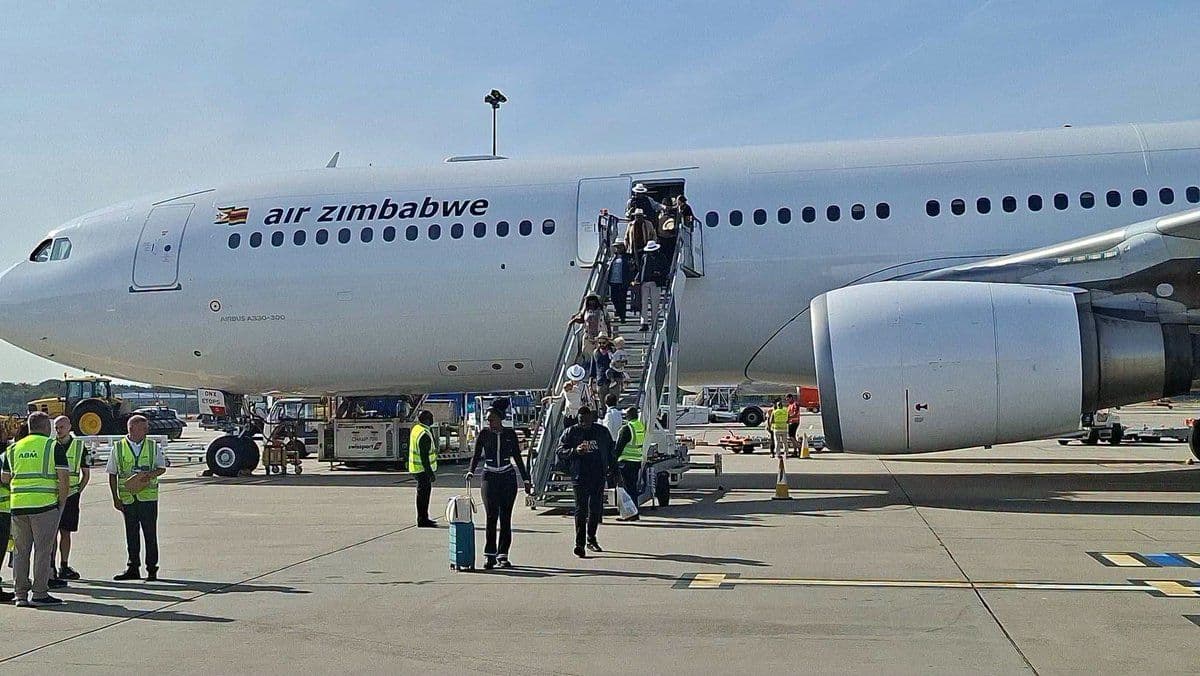
Route & Connectivity: Week 29, 2026
African and international aviation recorded significant network expansion and connectivity growth, with new routes launched by Air Zimbabwe, Air Tanzania, SalamAir and flyCAA, while Ethiopian Airlines, Jazeera Airways and TAAG increased capacity. Strategic partnerships, cargo expansion and new services by Volotea, Astral Aviation and Etihad further strengthened Africa’s global aviation links and market integration.

Aviation Agreements Trails: Week 29, 2026
African aviation recorded major developments in July 2026, with Etihad Airways expanding connectivity through partnerships with Nigeria’s Air Peace and Ghana’s Africa World Airlines, while Ghana, Morocco, and South Korea advanced new air service agreements. EgyptAir accelerated digital transformation and training investments, Morocco attracted aerospace investment from Curtiss-Wright, and Kenya Airways partnered with Yemi Alade to promote African connectivity and culture. Other milestones included aviation training upgrades, fleet modernization, and stronger regional cooperation.

Airline Fleet trails: Week 29, 2026
African aviation saw significant fleet expansion and strategic developments in July 2026, with Uganda Airlines ordering eight Boeing aircraft, including 737 MAX and 787 Dreamliners, while Air Seychelles secured two Airbus A321XLRs to expand long-haul connectivity. Air Zimbabwe added an Airbus A330-300, Nesma Airlines expanded its A320 fleet, and ECAir wet-leased a Boeing 737. Namibia Air also advanced plans to relaunch with seven Embraer aircraft. Egypt’s aviation sector strengthened training capacity through a 10-aircraft Cessna Skyhawk order.
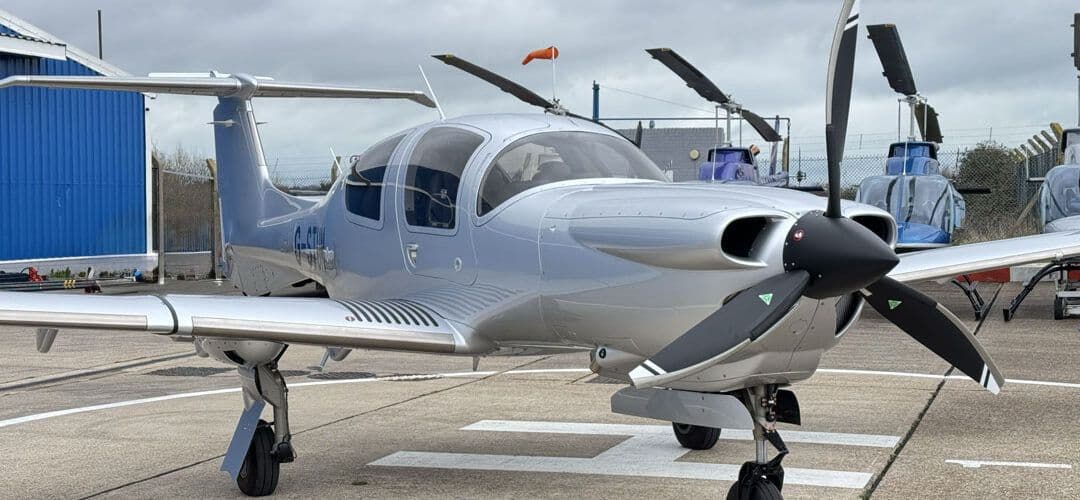
Airline Fleet trails: Week 28, 2026
This trail highlights fleet expansion, aviation training, and operational capability growth across Africa, with new aircraft acquisitions strengthening VIP, regional, and commercial aviation markets. Airlines in Burkina Faso, Gabon, Tanzania, Zimbabwe, and Ethiopia are enhancing capacity, while Egypt expands pilot training, and Botswana receives defence airlift support to improve regional mobility.
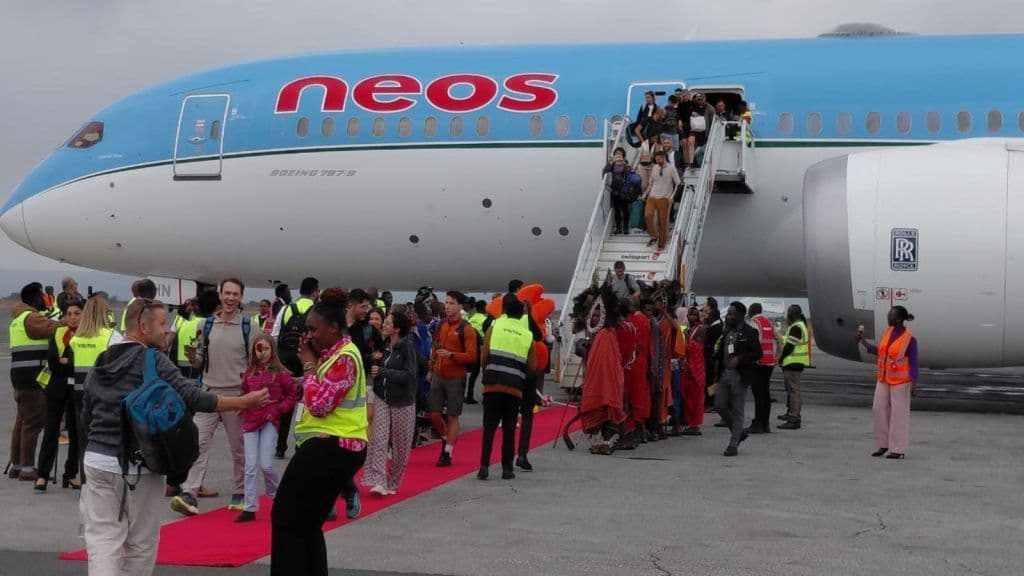
Route & Connectivity: Week 28, 2026
This trail highlights expanding African and international air connectivity, with new routes linking Tanzania, Egypt, Kenya, Nigeria, Morocco, Namibia and the United States. Airlines are increasing capacity through fleet deployment, network expansion and long-haul ambitions, while regional security challenges continue to impact aviation operations in the Middle East.

Infrastructure & Finance Trails: Week 28, 2026
This trail highlights major aviation infrastructure, digital transformation, sustainability, and financial developments across Africa. South Sudan, Kenya, Egypt, Ghana and South Africa are advancing airport modernisation, while Nigeria and Togo enhance security and innovation. Airlines and aviation institutions are also pursuing reforms, sustainability initiatives, investment partnerships, and operational recovery strategies.

Accidents & Incidents Trails: Week 28, 2026
This trail highlights a series of aviation safety incidents across Africa, involving military, commercial, and training aircraft. The events include emergency landings, UAV losses, ground handling damage, and a training aircraft accident, underscoring the importance of aircraft maintenance, crew preparedness, airside safety management, and operational risk mitigation.

Aviation Agreements Trails: Week 28, 2026
This trail highlights growing aviation cooperation and investment across Africa, with Mozambique and Algeria expanding air connectivity, Egypt and Bulgaria strengthening bilateral aviation ties, and Zambia attracting aviation infrastructure partnerships. Meanwhile, Nigeria enhances airport security through canine units, while Kenya advances helicopter support capabilities through Rotortrade and Helint’s regional MRO collaboration.