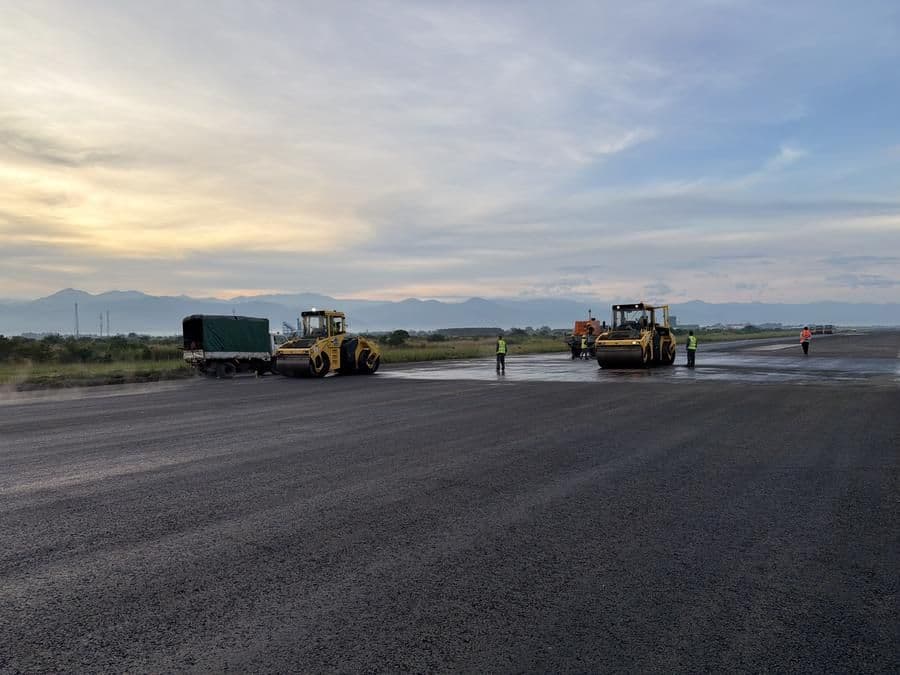
Infrastructure & Finance Trails: Week 26, 2026
This week's #AviationTrail highlighted major aviation infrastructure, finance and technology developments across Africa, including EGYPT'S air navigation modernisation and aerospace investments, BURUNDI'S airport upgrade, ETHIOPIA'S border security transformation, RWANDA'S new SalamAir service, DRC'S stablecoin payments pilot, Air Côte d'Ivoire's fleet financing, and key financial restructuring initiatives involving ADC Cameroon, Camair-Co, NAMA, and Sudan Airways.
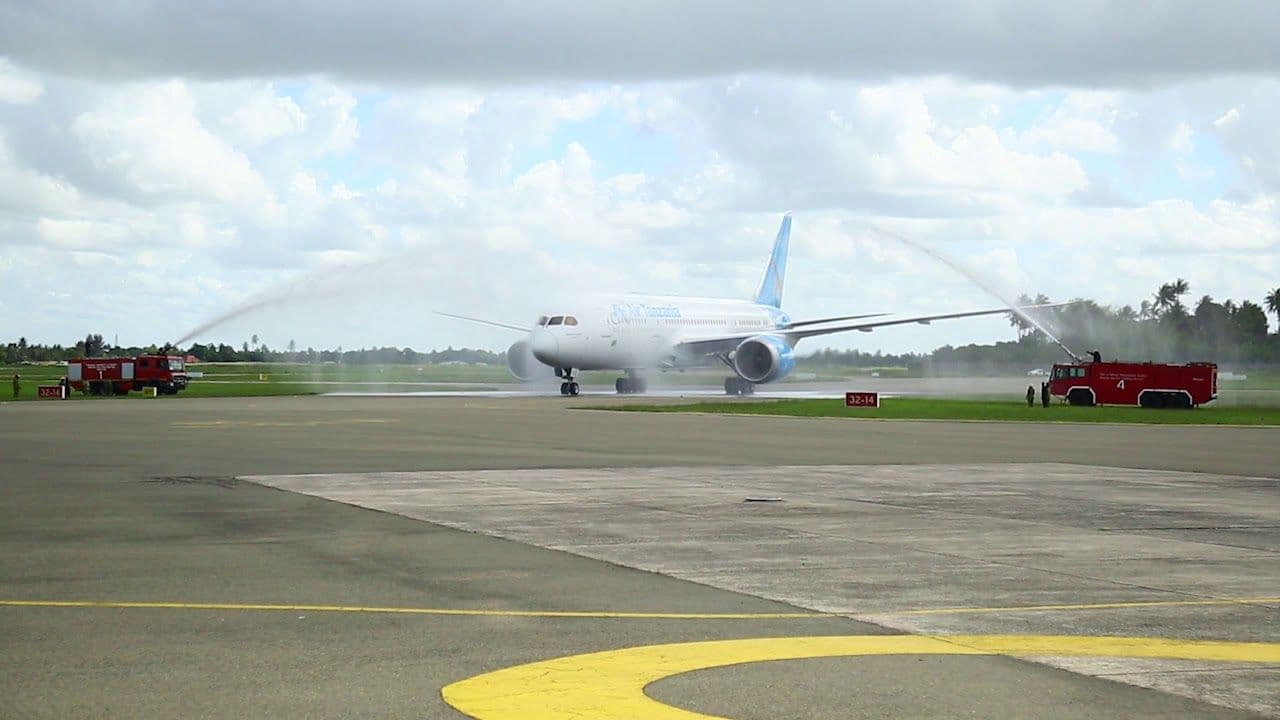
Route & Connectivity: Week 26, 2026
In this trail: EGYPT strengthened its air navigation capabilities through a strategic partnership between NANSC and Germany's DFS Aviation Services to modernise air traffic management and train controllers, while MOROCCO was selected to host the new Global Aviation Africa platform aimed at accelerating aviation investment and infrastructure development. Meanwhile, Fastjet expanded its international distribution through a commercial agreement with Spain's Euroairlines, giving the Zimbabwean carrier access to global booking systems and enhancing connectivity across Southern and Eastern Africa.

Accidents & Incidents Trails: Week 26, 2026
In this trail: Military and aerial operations in Africa were marked by two fatal aircraft accidents, with a Moroccan Civil Protection firefighting aircraft crashing during a wildfire mission near Rabat, killing the pilot, and an Africa Corps Sukhoi Su-24 reportedly being shot down during operations in northern Mali, with investigations ongoing.

Other aviation trails: Week 26, 2026
In this trail: Regional aviation cooperation gathered pace as Arab states advanced regulatory harmonisation at the ACAO General Assembly, ECOWAS accelerated SAATM and airfare reforms, Morocco expanded its aviation hub ambitions, African airlines earned major global awards, Libya and Egypt secured key ACAO leadership roles, while several legal, security, training and visa developments continued to reshape Africa's aviation landscape.

Regulatory trails: Week 26, 2026.
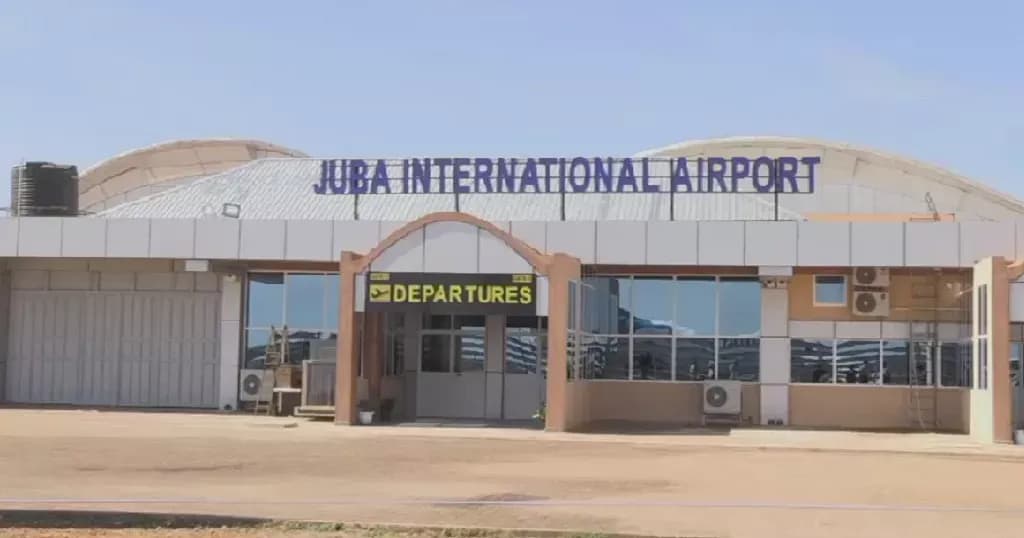
This week's #AviationTrail featured major regulatory and policy developments across Africa, including GHANA'S BASA ratifications, TOGO'S airline licensing reforms, SOUTH SUDAN'S new Juba FIR, CAPE VERDE'S visa policy changes, KENYA'S safety permit reforms, CAMEROON'S airport certification review, CAIRO'S renewed ACI accreditation, and Danpullo's proposed US$900 million airline and airport investment in Cameroon.
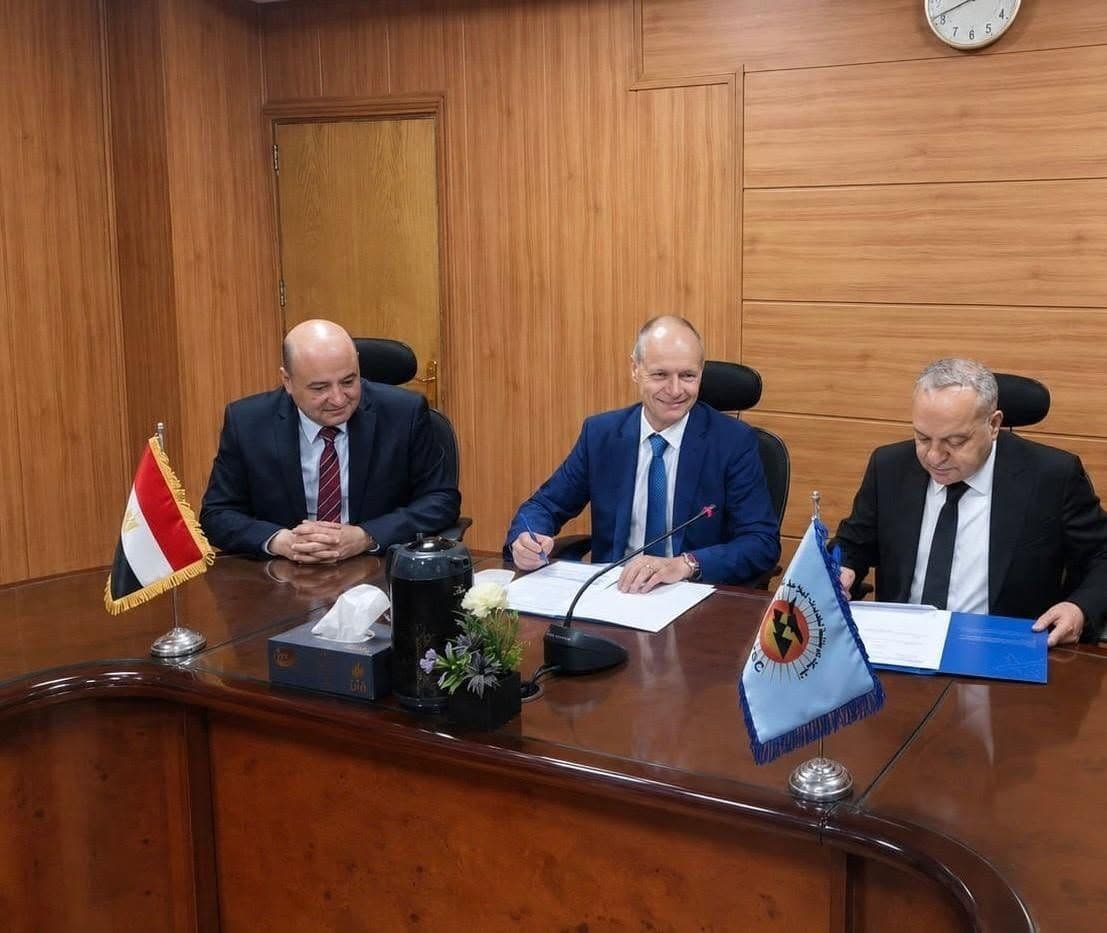
Aviation Agreements Trails: Week 26, 2026
This week's #AviationTrail highlighted strategic partnerships across Africa, with EGYPT teaming up with Germany's DFS Aviation Services to modernise air navigation, MOROCCO preparing to launch the Global Aviation Africa investment platform, and Fastjet Zimbabwe partnering with Euroairlines to expand its global distribution and strengthen regional connectivity across Southern and Eastern Africa.
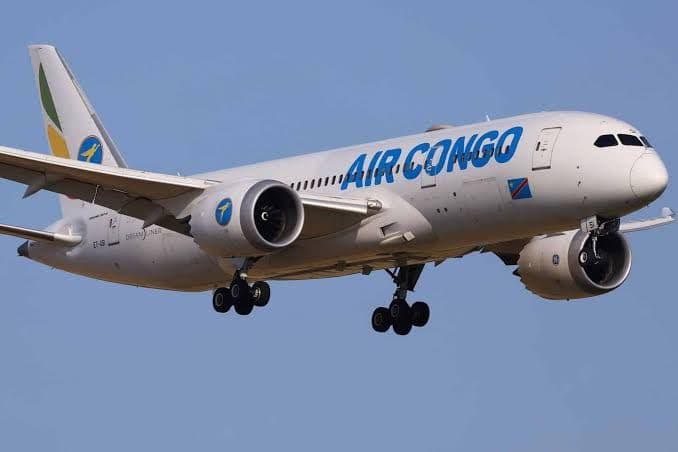
Airline Fleet trails: Week 26, 2026
African airlines continued to strengthen and modernise their fleets through new aircraft deliveries and strategic leasing arrangements, while aviation service providers advanced emergency medical aviation capabilities and complex ferry operations. At the same time, operational challenges persisted, with Fly Gabon facing fleet disruptions following the grounding of three ATR72-600 aircraft, highlighting the importance of fleet resilience across the continent's aviation sector.
Infrastructure & Finance Trails: Week 25, 2026
This edition features Mozambique's ambitious US$710.6 million Civil Aviation Master Plan, Kenya's US$1.2 billion Jomo Kenyatta International Airport expansion, South Sudan's airport infrastructure upgrades, Egypt's first Sustainable Aviation Fuel (SAF) production project, and Tunisia's renewable energy initiative for airports. It also covers significant airline and industry developments, including airport concessions in Nigeria, maintenance expansion in West Africa, digital payment innovation, humanitarian aviation initiatives, enhanced global airline distribution, and new aviation training programmes. Together, these developments underscore Africa's accelerating efforts to strengthen connectivity, modernize aviation infrastructure, improve operational efficiency, promote sustainability, and position the continent as an increasingly competitive player in the global aviation industry.

Aviation Agreements Trails: Week 25, 2026
This edition highlights NAHCO's continued expansion through new and renewed airline handling contracts, Air Senegal's enhanced partnership with Air France, SalamAir's entry into the Rwandan market, and CemAir's new interline agreement with Air Europa to strengthen global connectivity. It also covers strategic investments in sustainable aviation fuel infrastructure in Togo, the smart airport development partnership between Cape Winelands Airport and Stellenbosch University, and growing aviation cooperation between Egypt and Türkiye through joint military exercises.